
By Bisi Bamishe
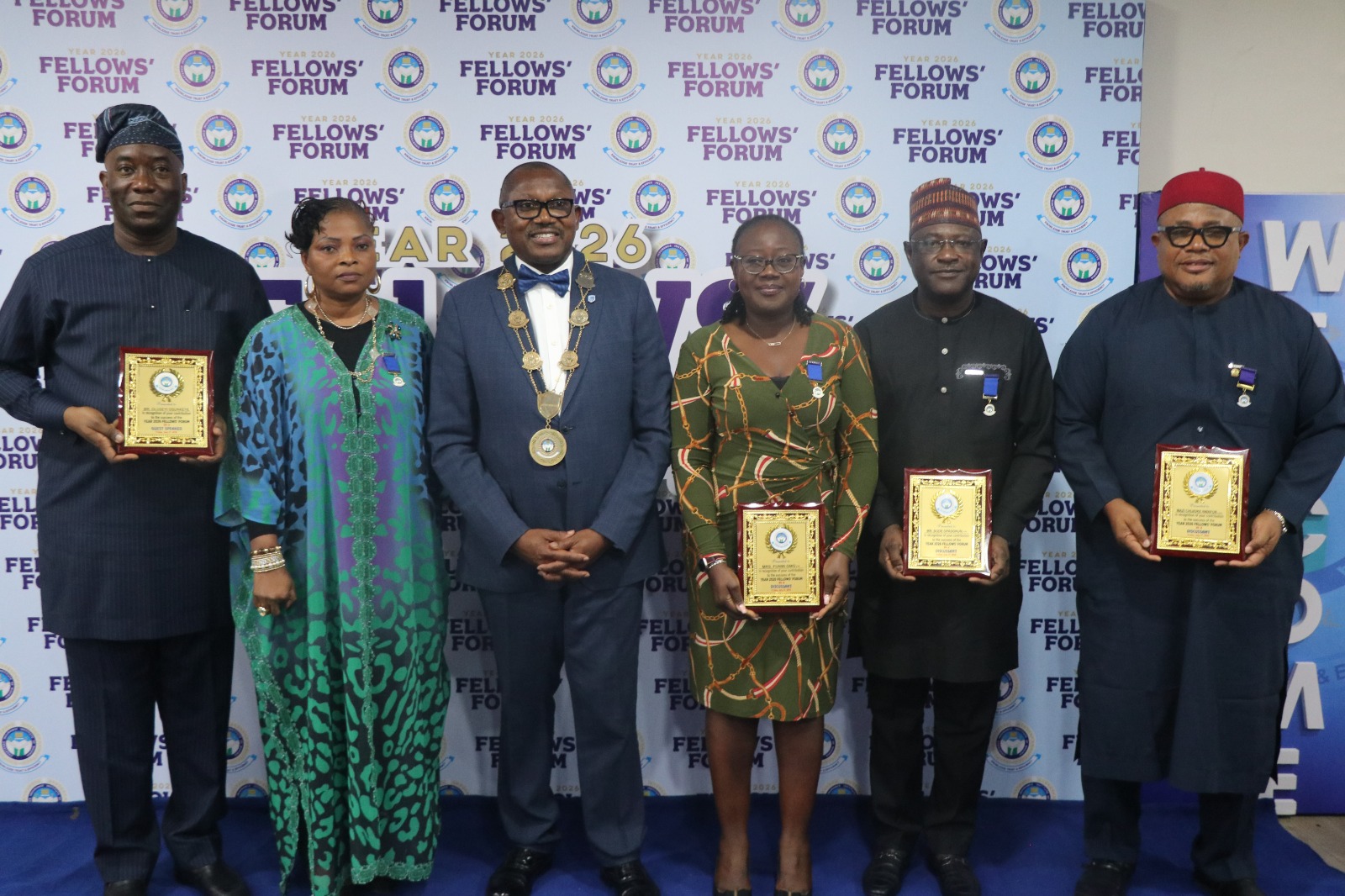
Fellows of Chartered Insurance Institute of Nigeria (CIIN) have been advised to advocate for industry renewal and support National Insurance Commission’s (NAICOM) reform.
The advice was given at CBN Year 2026 Fellows’ Forum by the Guest speaker Mr Seyi Osunkeye
Presenting the keynote address on Governance, Ethics and Reputation Risk: The Fellows’ Imperative in a Rapidly Evolving Insurance Landscape, Mr Osunkeye who is also the Managing Director of Pilot Securities Limited noted that governance is one of the industry’s oldest and most persistent problems.
“Governance is often reduced to a compliance exercise imposed on a business
by regulators, who perhaps have never underwritten a policy –Boards have to comply with board composition ratios, tenure limits for nonexecutive directors, have audit & risk management committees etc.Yes, these structural requirements matter, and NAICOM and the Financial Reporting Council have been right to insist on them. But governance is not the scaffolding; it is what the scaffolding is meant to protect”, he said.
According to him, good governance in an insurance company answers three questions all times:
• Can a company pay the claims it has promised to pay?
• Are Underwriters and Investment Managers accountable to someone other than themselves?
• When something goes wrong, will the Board be aware of the truth and have the full facts before the press or social media?
He noted that most governance failures in the insurance sector — and indeed in Nigerian financial services more broadly — are not failures arising from lack of codes.Companies that have collapsed or required regulatory intervention typically had governance codes on fileWhat was lacking was a culture where the Board was unwilling to ask uncomfortable questions from a chief executive who was delivering good numbers.
He added, “That is the real governance gap, and no code can legislate it into existence. Only professional culture can — which is precisely where the Fellows of this Institute come in”.
Good governance, he stated will also include board accountability, internal controls and compliance as well as transparency and disclosure.
He emphasized that “Ethics is what you do when no one is watching you. It is what an underwriter does when a broker offers an induce. It is what a claims manager does, when delaying payment of a valid claim for ninety days would enable him to improve the quarter’s loss ratio. It is what a Fellow does when asked to sign off on a valuation, a reserve, or a solvency position that does not sit comfortably with the facts in front of him/her”
Osunkeye framing the Fellows’ imperative around three concrete commitments: professional mentori, ethical sptewardship and professional advocacy said, Fellows should coach students and Associates through professional examinations and complex cases.Fellows must mentor the next generation of practitioners not only in actuarial and underwriting skills but explicitly in ethics and governance
On call to action, Osunkeye advised the Fellows to –
• Accept mentorship as a professional obligation, not a favour and should commit to at least one structured mentee relationship per year.
• Champion governance reform from within your organisation – propose board level ethics and risk committees where absent.
• Stay digitally current with Artificial Intelligence and Insurtech developments – AI in underwriting, Blockchain, Cyber insurance, Open Insurance ecosystems and the likes.
• Be a visible voice – publish, speak and educate on insurance ethics, governance and reputation risk in public forums and even on your social media platforms.
• Advocate for industry renewal. You should support NAICOM’s reform agenda and position Nigerian insurance for global competitiveness.